
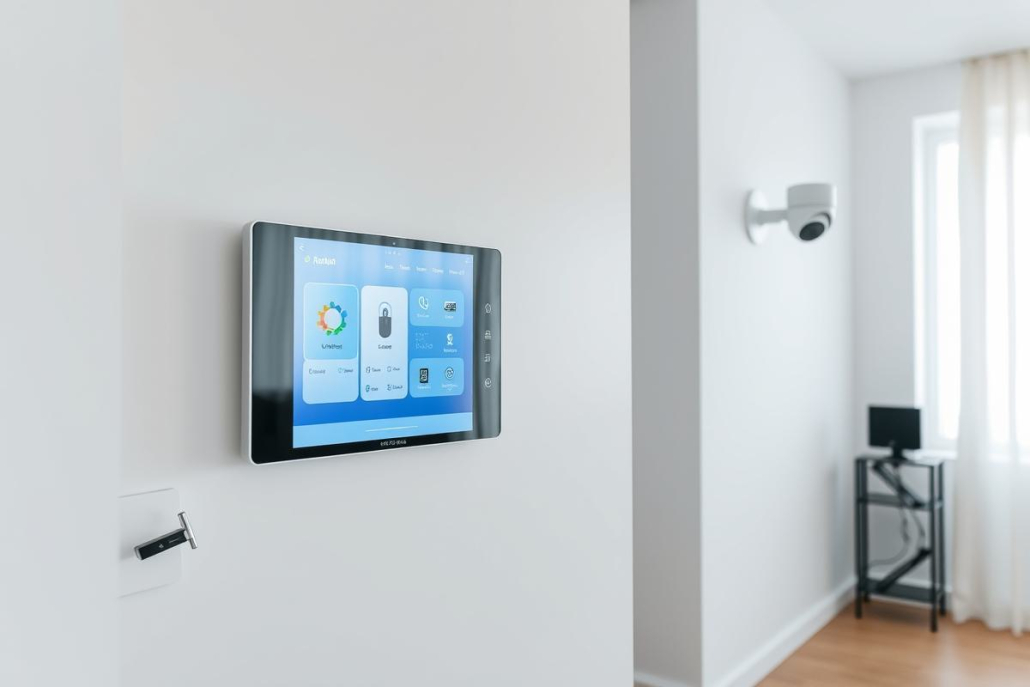
12 Smart Home Features to Check Before Buying in Toronto
Buying a new house is one of life’s most significant investments, and in today’s technologically advanced world, what constitutes a “dream home” has evolved. Beyond square footage and location, the integration of smart technology is increasingly a top priority for homebuyers. If you’re planning to purchase property in the vibrant Greater Toronto Area (GTA), understanding the key smart home features before buying a new house isn’t just a luxury—it’s a necessity for modern living. A truly smart home offers unparalleled convenience, enhanced security, and improved energy efficiency, making your daily life simpler and more connected.
At PowerSol.ca, we specialize in low voltage solutions that transform houses into intelligent homes. We believe that a well-equipped smart home infrastructure adds significant value and comfort. This guide will walk you through 12 essential smart home features you should thoroughly investigate before signing on the dotted line, ensuring your investment is future-ready and perfectly suited to your needs.
Why Smart Home Features Matter for Your New GTA Home
The allure of a smart home goes far beyond mere gadgetry; it’s about creating an integrated, responsive living environment. For homeowners in Toronto and across the GTA, these features offer tangible benefits:
- Enhanced Convenience: Imagine controlling your lighting, climate, and entertainment from a single device or even with your voice. Smart homes streamline daily routines, saving you time and effort.
- Superior Security: From intelligent surveillance systems to smart locks, these features provide peace of mind, allowing you to monitor your property from anywhere, anytime.
- Energy Efficiency: Smart thermostats and lighting systems learn your habits, optimizing energy consumption and potentially lowering utility bills, a significant benefit in the diverse climates of Ontario.
- Future-Proofing: A home already equipped with smart infrastructure is more attractive to future buyers and easier to upgrade as technology evolves. Considering these smart home features before buying ensures your home stays relevant.
- Increased Property Value: Homes with modern, integrated smart technology often command higher resale values, making it a sound investment.
Whether you’re looking at a sleek condo in downtown Toronto, a family home in Mississauga, or a sprawling estate in Oakville, these smart integrations are becoming a standard expectation.
The Essential 12 Smart Home Features to Prioritize
When evaluating potential properties, don’t overlook these critical smart home features. They represent the core components of a truly intelligent and connected living space.
1. Smart Thermostats
One of the most popular and impactful smart home devices. A smart thermostat, like those from Nest or Ecobee, learns your schedule and preferences, automatically adjusting temperatures to save energy while keeping your home comfortable. Look for systems that integrate with other smart home platforms and offer remote control via smartphone. This is a primary smart home feature to check before buying, as it directly impacts comfort and operational costs.
2. Integrated Security Systems (CCTV, Alarms)
A comprehensive security system is paramount. This includes high-definition CCTV cameras strategically placed around the property, a robust burglar alarm system, and possibly even fire alarm integration. Ideally, these systems should be professionally installed and monitored, offering features like motion detection alerts, remote viewing, and seamless integration with other smart home components. PowerSol.ca specializes in designing and installing advanced security systems tailored for homes and businesses in the GTA.
3. Smart Locks & Access Control
Gone are the days of fumbling for keys. Smart locks allow you to lock and unlock your doors remotely, grant temporary access codes to guests or service providers, and receive notifications about who enters and exits your home. For higher security needs, an integrated access control system can manage entry points with keypads, card readers, or even biometric scanners. These features enhance both security and convenience.
4. Smart Lighting
Beyond simple on/off switches, smart lighting systems allow for dimming, color changes, scheduling, and even occupancy-based control. Imagine lights automatically turning on as you enter a room or adjusting to a specific ambiance for movie night. Good smart lighting adds atmosphere, security (by simulating occupancy), and energy savings. Ensure the home has the necessary wiring infrastructure for advanced lighting controls.
5. Robust Network Cabling & Wi-Fi Infrastructure
The backbone of every smart home is its network. A strong, reliable Wi-Fi signal throughout the entire property is non-negotiable. Look for homes with professional structured network cabling, especially Cat6 or higher, connecting key areas. This wired infrastructure supports high-bandwidth devices, reduces Wi-Fi congestion, and ensures a stable connection for all your smart devices. Without a solid network, even the best smart devices will underperform. This is one of the most foundational smart home features before buying.
6. Smart Blinds/Shades
Automated blinds or shades offer privacy, light control, and energy efficiency by regulating solar heat gain. They can be scheduled to open and close at specific times, integrated with climate control, or even controlled by voice commands. This adds a touch of luxury and significant practicality, especially for large windows or hard-to-reach areas.

7. Video Doorbells
A smart doorbell with an integrated camera allows you to see and speak to visitors from anywhere, whether you’re home or not. Features often include motion detection, two-way audio, and cloud recording. It’s an excellent first line of defense and a convenient way to manage deliveries or check on your front door activity. This is a critical smart home feature for enhanced security and peace of mind in areas like Brampton or Vaughan.
8. Smart Appliances (Integrated)
While not every appliance needs to be smart, an integrated smart kitchen or laundry room can be a huge bonus. Refrigerators with internal cameras, ovens controllable via smartphone, or washing machines that notify you when cycles are complete add another layer of convenience. Check if the home has provisions for these, such as dedicated power outlets or network connections near appliance locations.
9. Leak/Flood Sensors
Water damage can be devastating. Smart leak sensors placed near water heaters, sinks, or in basements can detect leaks early and send immediate alerts to your phone, potentially saving you from costly repairs. Some advanced systems can even shut off the main water supply automatically upon detecting a significant leak. This is a smart investment in preventing future headaches.
10. Whole-Home Audio-Visual (AV)
For entertainment enthusiasts, an integrated whole-home audio-visual system is a dream. This involves centralizing audio and video sources and distributing them to various rooms with discreet in-ceiling or in-wall speakers and seamless TV integrations. Look for pre-wiring for surround sound, projector setups, or dedicated media rooms. PowerSol.ca designs and installs sophisticated AV solutions for premium home entertainment.
11. Electric Vehicle (EV) Charging Infrastructure (Smart Ready)
With the rise of electric vehicles, having a dedicated EV charging station is becoming increasingly important. While not strictly a “smart home” feature in itself, look for homes that already have the necessary 240-volt wiring or a dedicated circuit in the garage, making it easy to install a smart EV charger. A smart charger can integrate with your home energy management system to charge during off-peak hours.
12. Centralized Smart Home Hub or Controller
The ultimate smart home brings all these features together under a single, intuitive control system. Whether it’s a dedicated touch panel, a robust software platform, or a voice assistant ecosystem (like Apple HomeKit, Google Home, or Amazon Alexa), a central hub simplifies management. Ensure the home’s existing smart devices can communicate effectively or are part of a compatible ecosystem. This ensures all your smart home features before buying work in harmony.
PowerSol: Your Partner for Smart Home Integration in the GTA
Understanding and evaluating these smart home features before buying is crucial, but ensuring they are properly installed, configured, and maintained requires expertise. PowerSol.ca is a leading provider of low voltage services across the Greater Toronto Area, serving communities like Toronto, Mississauga, Brampton, Vaughan, Markham, Richmond Hill, Oakville, and Milton.
Our team of certified professionals offers comprehensive solutions, from initial consultation and custom design to expert installation and ongoing support. Whether you need a complete smart home automation system, robust network cabling, cutting-edge security, or sophisticated audio-visual setups, we bring years of experience and a commitment to excellence.
We work with homebuyers, real estate agents, and builders to assess existing infrastructures, recommend upgrades, and implement seamless smart home solutions that enhance comfort, security, and value. Don’t let your dream home fall short on modern connectivity. Partner with PowerSol.ca to ensure your investment is truly smart, secure, and ready for the future.
For more insights into smart living and low voltage technologies, feel free to explore our blog for expert articles and tips.
For further reading on the general concept of smart homes, you can visit Wikipedia’s Smart Home page.
Frequently Asked Questions About Smart Home Features
- Q: What are the most important smart home features to look for in an older house?
- A: For older homes, prioritize foundational elements like robust network cabling (Cat6 or fiber optics), smart thermostats for energy efficiency, and integrated security systems. These often require more significant installation efforts if not pre-existing, making them critical smart home features before buying, as they are harder to retrofit later.
- Q: Can I add smart home features after buying a house?
- A: Absolutely! Many smart home features can be added post-purchase, such as smart plugs, light bulbs, and standalone security cameras. However, fully integrated systems, extensive network cabling, and complex audio-visual setups are much easier and often more cost-effective to implement during construction or as part of a major renovation. PowerSol.ca can help you assess your new home and plan for future upgrades.
- Q: How much do smart home systems typically cost?
- A: The cost varies widely depending on the scope and complexity of the system. Basic smart home setups (e.g., a smart thermostat and a few smart bulbs) can cost a few hundred dollars. Comprehensive, professionally installed whole-home automation systems, integrating security, AV, lighting, and climate control, can range from several thousands to tens of thousands of dollars. It’s an investment that significantly enhances property value and lifestyle.
- Q: What should I ask the seller about existing smart home technology?
- A: Ask for documentation, brand names of devices, whether systems are professionally installed or DIY, and if there are any subscriptions tied to services (e.g., security monitoring, cloud storage). Crucially, inquire about the ownership of accounts and how access will be transferred upon sale. This information is vital for understanding the existing smart home features before buying.


Leave a Reply
Want to join the discussion?Feel free to contribute!