
Complete Guide to Home Automation Systems in Toronto (2026)
Welcome to the future of living, right here in the Greater Toronto Area! As we move further into 2026, the demand for sophisticated and integrated home automation systems in Toronto continues to surge. Homeowners are increasingly seeking ways to enhance convenience, security, and energy efficiency, transforming their residences into truly smart environments. This comprehensive guide will walk you through everything you need to know about home automation systems, from core concepts to the latest trends, and how PowerSol.ca stands as your premier low voltage provider in the GTA.
Investing in Home Automation Systems Toronto means upgrading your lifestyle, gaining unprecedented control over your home’s various functions with just a touch or a voice command. From automated lighting and climate control to advanced security and entertainment, a smart home seamlessly integrates technology into your daily routine, offering comfort, safety, and efficiency like never before.
What Are Home Automation Systems?
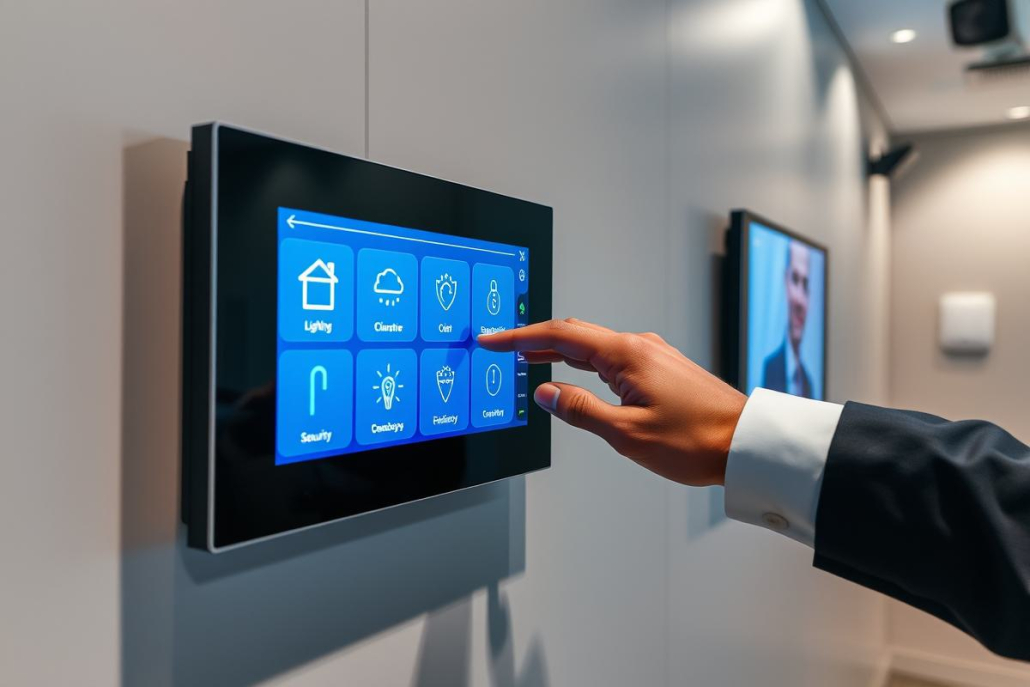
At its core, a home automation system connects various devices and appliances in your home, allowing them to be controlled remotely and interact with each other. This network of devices operates through a central hub or controller, often managed via a smartphone app, voice assistant, or dedicated touch panel. Instead of operating each device independently, home automation creates a cohesive ecosystem where actions can be triggered by schedules, sensors, or user commands, simplifying daily tasks and improving overall living quality.
Core Components of a Smart Home
A robust home automation system comprises several key components working in harmony:
- Central Hub/Controller: The brain of your smart home, coordinating all connected devices.
- Sensors: Detect motion, temperature, light, door/window status, and more, providing data for automated actions.
- Actuators: Devices that perform actions, such as smart switches turning lights on/off or smart thermostats adjusting HVAC.
- Network Connectivity: Utilizes Wi-Fi, Zigbee, Z-Wave, or other protocols to enable communication between devices. A reliable network cabling infrastructure is crucial for seamless operation.
- User Interface: Smartphone apps, voice assistants (e.g., Google Assistant, Amazon Alexa), wall-mounted touchscreens, or traditional remotes for control.
Benefits of Home Automation for Toronto Homeowners
For homeowners in Toronto and across the GTA, the advantages of implementing Home Automation Systems Toronto are numerous and impactful, ranging from enhanced security to significant energy savings.
Enhanced Security & Peace of Mind
Security is often the primary motivator for adopting smart home technology. Home automation integrates seamlessly with advanced security systems, providing real-time monitoring and proactive protection.
- Smart Locks: Control access to your home remotely, grant temporary access codes, and receive notifications when doors are locked or unlocked.
- CCTV & Video Doorbells: Monitor your property 24/7 with high-definition cameras and see who’s at your door from anywhere.
- Automated Lighting: Program lights to turn on and off while you’re away, mimicking occupancy and deterring potential intruders.
- Integrated Alarm Systems: Connect burglar alarms and fire alarms to your smart home for immediate alerts and emergency service notifications.
Energy Efficiency & Cost Savings
Smart homes are inherently efficient, helping you reduce your carbon footprint and save on utility bills. This is particularly relevant in areas like Toronto where energy costs can be a significant concern.
- Smart Thermostats: Learn your preferences and adjust heating/cooling based on occupancy, weather, and schedules, optimizing energy use.
- Smart Lighting: Utilize motion sensors, daylight sensors, and timers to ensure lights are only on when needed, and at the appropriate brightness.
- Smart Plugs: Control power to appliances, eliminating phantom energy drain from devices in standby mode.
- Energy Monitoring: Gain insights into your energy consumption patterns, allowing you to make informed decisions to reduce waste.
Unparalleled Convenience & Comfort
Beyond security and savings, home automation delivers a level of convenience and comfort that elevates everyday living.
- Voice Control: Manage lights, thermostats, music, and more with simple voice commands.
- Custom Scenes & Routines: Create personalized settings for different moods or activities, such as “Morning Wake-Up” (lights gradually brighten, coffee maker starts) or “Movie Night” (lights dim, blinds close, TV turns on).
- Remote Access: Control your home’s systems from anywhere in the world using your smartphone.
- Automated Blinds & Shades: Adjust natural light and privacy with automated window treatments.
Key Technologies in Home Automation Systems (2026)
The landscape of smart home technology is ever-evolving. Here are some of the key areas seeing significant advancements in 2026 for Home Automation Systems Toronto:
Smart Lighting & Climate Control
From intelligent LED bulbs that adjust color temperature and brightness to sophisticated thermostats that integrate with local weather forecasts, these technologies offer granular control over your home’s ambiance and environment, leading to both comfort and significant energy savings.
Smart Locks & Access Control
Beyond simple keyless entry, modern smart locks offer biometric authentication, temporary guest access, and integration with surveillance systems, providing a comprehensive access control solution for your property.
Integrated Security Systems
Gone are the days of disparate security components. Today’s smart homes feature interconnected CCTV, motion sensors, glass-break detectors, and fire alarms, all feeding into a central system that can be monitored remotely and even alert authorities automatically.
Audio-Visual Integration
Transform your living spaces into immersive entertainment hubs. Multi-room audio systems, home theaters, and video distribution can all be integrated into your smart home, controlled from a single interface. Imagine your music following you from room to room or seamlessly streaming content across various displays.
Smart Appliances & Sensors
Refrigerators that track inventory, ovens that preheat remotely, and washing machines that signal cycle completion are becoming standard. Environmental sensors for air quality, water leaks, and even pet monitoring add another layer of intelligence and safety to your automated home.
Planning Your Home Automation System in Toronto
Embarking on a smart home project can seem daunting, but with careful planning and the right partner, it’s a seamless and rewarding experience for homeowners in Toronto and the surrounding GTA.
Assessing Your Needs & Lifestyle
Before diving into specific technologies, consider what you want your smart home to achieve. Are you prioritizing security, energy savings, entertainment, or convenience? A professional consultation can help identify the best solutions tailored to your unique lifestyle and property.
Choosing the Right Platform & Devices
The market offers various smart home platforms (e.g., Apple HomeKit, Google Home, Amazon Alexa, Control4, Savant). Compatibility between devices is crucial. It’s often best to select a primary platform and choose devices that integrate well within that ecosystem to avoid fragmentation and ensure smooth operation.
The Importance of Professional Installation
While some DIY smart home products exist, integrating a comprehensive system, especially for larger homes or complex setups, requires expert knowledge. Professional installation ensures optimal performance, reliable connectivity, and proper configuration of all components. This is where PowerSol.ca excels, providing specialized low voltage services.
PowerSol: Your Trusted Partner for Home Automation in the GTA
At PowerSol.ca, we specialize in designing, installing, and maintaining cutting-edge Home Automation Systems Toronto residents and businesses can rely on. As a leading low voltage services provider in the Greater Toronto Area, we understand the intricacies of integrating complex smart technologies into your existing infrastructure.
Our expert team serves a wide coverage area, including Toronto, Mississauga, Brampton, Vaughan, Markham, Richmond Hill, Oakville, and Milton. We pride ourselves on delivering bespoke solutions that are not only technologically advanced but also intuitive and user-friendly. Whether you’re looking for a simple smart lighting upgrade or a fully integrated smart home ecosystem, PowerSol has the expertise to bring your vision to life.
We work with top-tier brands and ensure that your home’s underlying infrastructure, including your network cabling, is robust enough to support all your smart devices. Beyond installation, we offer ongoing maintenance and support to ensure your system continues to perform flawlessly for years to come. Choose PowerSol for a seamless and secure smart home experience.
The Future of Smart Homes: Trends for 2026 and Beyond
As technology progresses, so does the sophistication of home automation. In 2026, we anticipate several key trends shaping the future of smart homes:
- Enhanced AI and Machine Learning: Systems will become even more predictive, learning occupants’ habits to anticipate needs and make adjustments proactively, rather than just reactively.
- Greater Interoperability: Expect more open standards and protocols, allowing devices from different manufacturers to communicate more easily and reliably.
- Focus on Wellness: Smart homes will increasingly incorporate features related to health and well-being, such as air quality monitoring, advanced sleep tracking, and circadian lighting systems.
- Sustainable Smart Homes: Integration with renewable energy sources and more granular control over energy consumption will become standard, helping homeowners further reduce their environmental impact.
- Edge Computing: More data processing will occur on devices themselves (at the ‘edge’ of the network) rather than solely in the cloud, leading to faster response times and improved privacy.
To learn more about the broader concept of home automation, you can visit the Wikipedia page on Home Automation.
Conclusion
The journey into smart living with Home Automation Systems Toronto is an exciting one, promising a future of unparalleled convenience, security, and efficiency. As we navigate 2026 and beyond, the integration of intelligent technology into our homes will continue to evolve, making our lives simpler, safer, and more connected. For homeowners in Toronto, Mississauga, Brampton, and across the GTA, PowerSol.ca remains dedicated to being your trusted partner in realizing this future.
Whether you’re starting from scratch or looking to upgrade an existing system, our expertise in low voltage solutions ensures that your smart home is built on a foundation of reliability and performance. Contact PowerSol today to explore how we can transform your home into the intelligent, responsive environment you’ve always dreamed of.
Frequently Asked Questions (FAQ)
Q1: What is the typical cost of installing Home Automation Systems in Toronto?
A1: The cost of home automation systems can vary significantly based on the scope, complexity, and types of devices chosen. A basic smart home setup might start from a few thousand dollars, while a comprehensive, fully integrated system for a large property in Toronto could range from $10,000 to $50,000 or more. Factors like professional installation, custom programming, and the number of integrated subsystems (security, AV, lighting, climate) all influence the final price. It’s best to get a personalized quote from a professional installer like PowerSol.ca after a thorough needs assessment.
Q2: How long does it take to install a complete home automation system?
A2: The installation timeline for a complete home automation system depends on the size of your home and the complexity of the chosen system. A smaller, simpler system might be installed within a few days, while a large-scale, fully integrated solution for a new build or major renovation could take several weeks. PowerSol.ca prioritizes efficiency and minimizes disruption, providing clear timelines during the planning phase. Our goal is to ensure a smooth, professional installation process that meets your expectations.
Q3: Can I integrate my existing smart devices into a new home automation system?
A3: In many cases, yes, you can integrate existing smart devices into a new, more comprehensive home automation system, particularly if they use common communication protocols like Wi-Fi, Zigbee, or Z-Wave. However, compatibility can vary between different brands and platforms. A professional low voltage provider like PowerSol.ca can assess your current devices and recommend the best strategy for integration, or suggest compatible upgrades if necessary, to ensure a cohesive and fully functional smart home environment.


Leave a Reply
Want to join the discussion?Feel free to contribute!